 0
0
 0
0
The perfect holiday memory often fits in the palm of your hand — a smooth pebble, a handful of warm sand, a shell that glitters in the sun. But in some of Europe’s most beloved destinations, these tiny treasures can trigger massive trouble. From Sardinia to the Canary Islands, strict environmental laws mean that what seems like an innocent keepsake may instead become the most expensive souvenir of your life.
Below is a feature‑style deep dive into the rules, the risks, and the real reasons behind Europe’s toughest beach‑protection laws.
A New Era of Beach Protection
The postcard‑perfect beaches of Southern Europe are under pressure. Mass tourism, climate change, and erosion have pushed governments to act. What used to be a harmless habit — slipping a shell into your pocket — is now treated as a threat to fragile ecosystems.
And customs officers are watching closely. Tourists across Europe are being stopped at airports, fined, and in some cases even investigated for removing natural materials from protected areas.
Italy: Sardinia’s Sand Is Off‑Limits
On Sardinia, the turquoise water and white beaches are world‑famous — and fiercely protected. Under Italy’s maritime law, removing sand, shells, or pebbles is strictly prohibited.
The island’s coast guard has become uncompromising. Even a tiny bottle of sand meant for a bathroom shelf can lead to fines of up to €3,000.
The rule is simple: leave the sand between your toes, not in your suitcase.
France: Europe’s Harshest Penalties
If you think Italy is strict, France raises the stakes dramatically. In many coastal regions, collecting sand, stones, shells, flowers, or plants is forbidden — especially in protected natural reserves.
The shocker:
Violations involving protected species can result in fines of up to €150,000.
That’s not a typo. One careless moment can blow your holiday budget for life.
Spain: The Canary Islands Crack Down
The Canary Islands are a magnet for sun‑seekers — and for social‑media treasure hunters. On Fuerteventura, the famous “Popcorn Beach” draws Instagram fans eager to pocket its white, popcorn‑shaped algae fossils.
But Spanish authorities have had enough. Airport controls are strict, and removing natural materials from the islands can lead to hefty penalties.
Those quirky “popcorn stones” may look like the perfect photo prop, but taking them home is a costly mistake.
Croatia: Shells, Stones — and Truffles
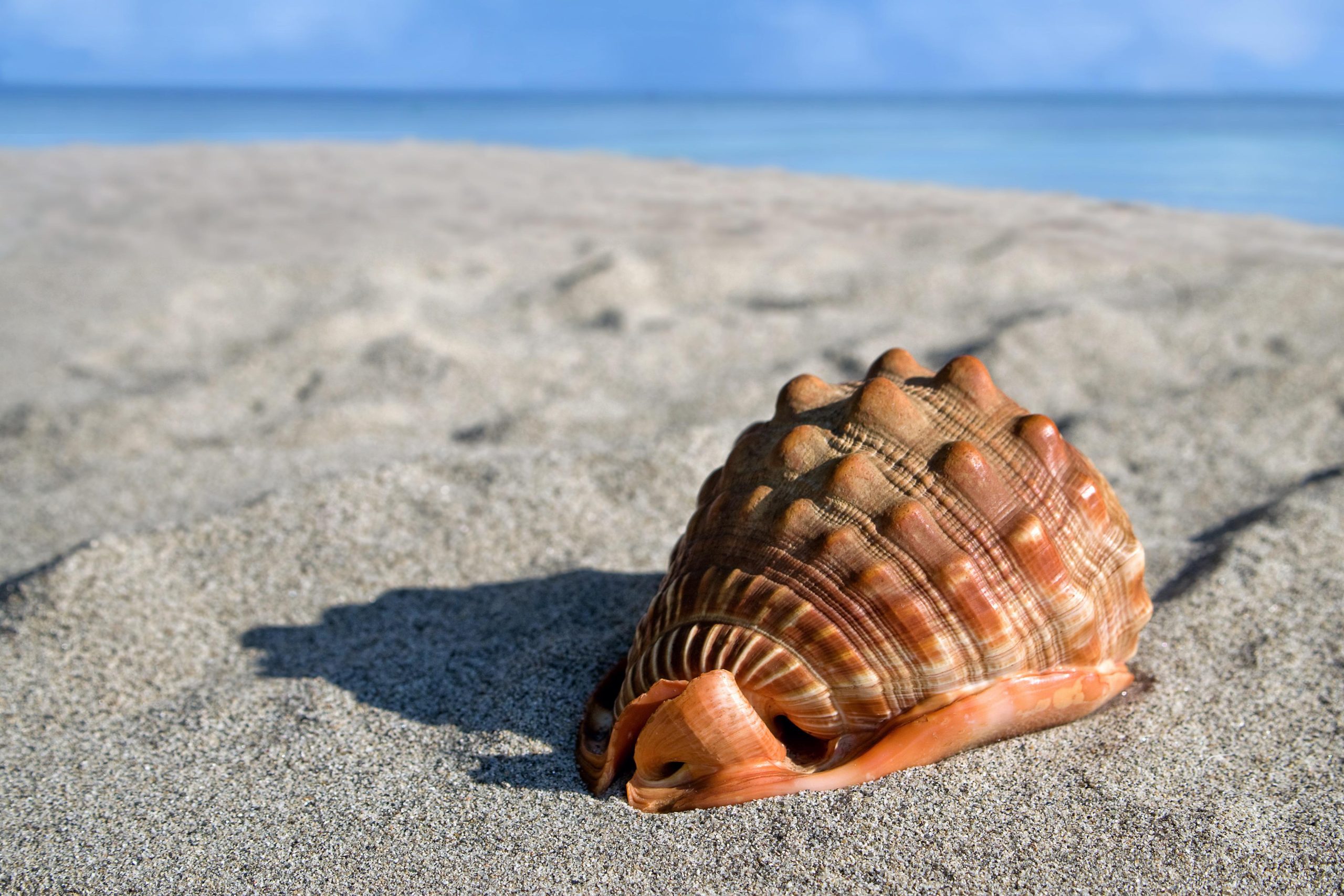
Croatia’s Adriatic coastline tempts divers and beachcombers alike. But many shells and sea snails are protected species, and exporting them is illegal.
And it’s not just beach finds that cause trouble. Croatia’s prized truffles — especially raw, unprocessed ones — require official export permits. Tourists who try to sneak them out risk a very unpleasant surprise at the border.
Greece: History Under Your Feet
In Greece, the danger is not ecological but archaeological. A small white stone picked up near the Acropolis might look ordinary — but could in fact be part of an ancient site.
Greek law treats the removal of potential artifacts with utmost seriousness.
This isn’t just about fines. Criminal charges are possible.
For tourists, the problem is simple: you cannot know what is historically significant. So the safest choice is to admire, not collect.
The Best Souvenir Costs Nothing
The safest, cheapest, and most sustainable way to take your holiday home with you is still the oldest one: take photos.
Leave nature and history where they belong.
Protect the beaches you love.
And avoid a confrontation with customs that could turn your relaxing getaway into a bureaucratic nightmare.
Your memories will last — and so will the landscapes, for the next generation of travelers.
- Hector Pascua with reference from oe24.at/picture: Image by Sergio Cerrato – Italia from Pixabay



This post has already been read 6039 times!